Region One ESC Website Migration
Migrating a large public-sector website from Blackboard CMS to Finalsite

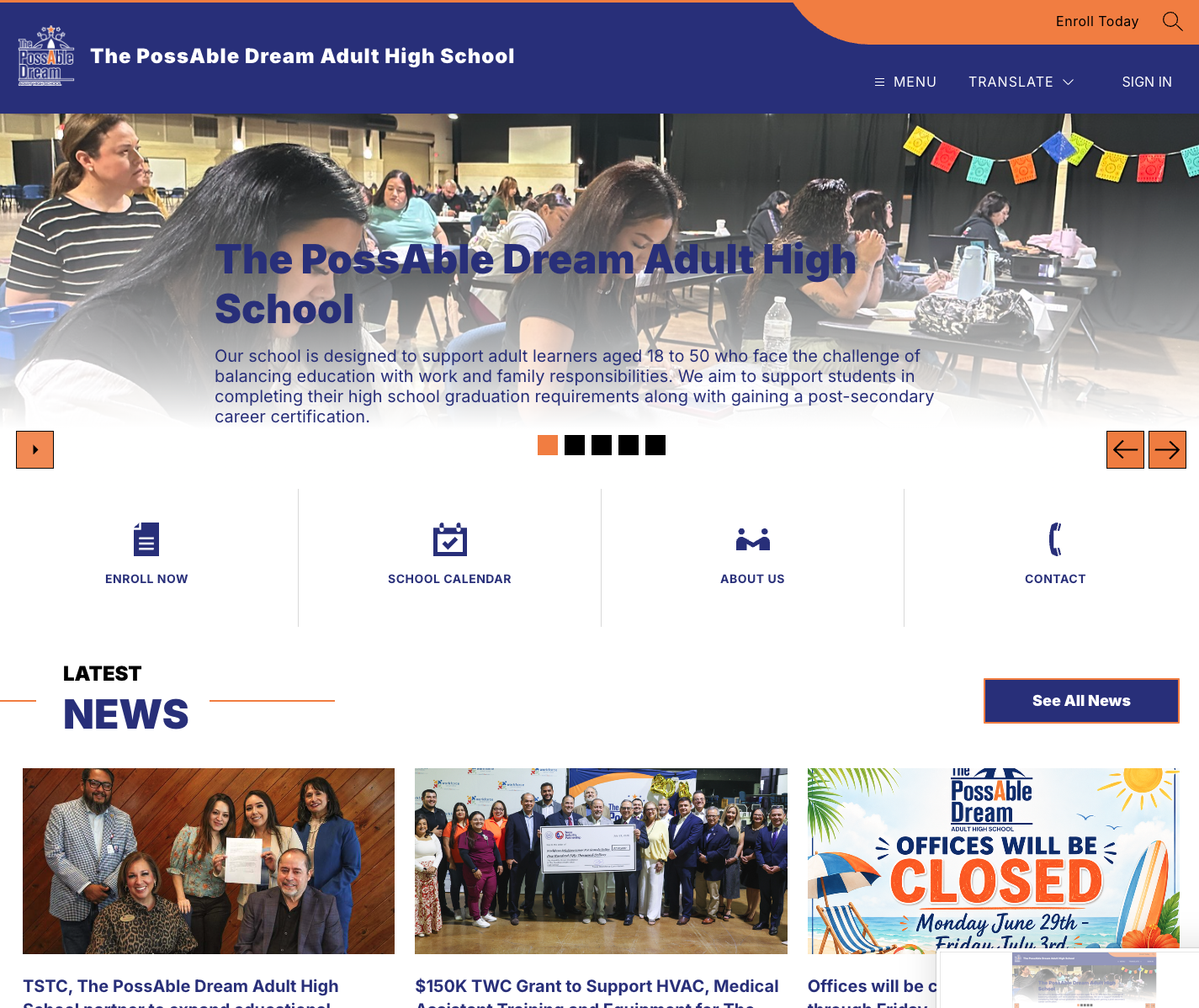
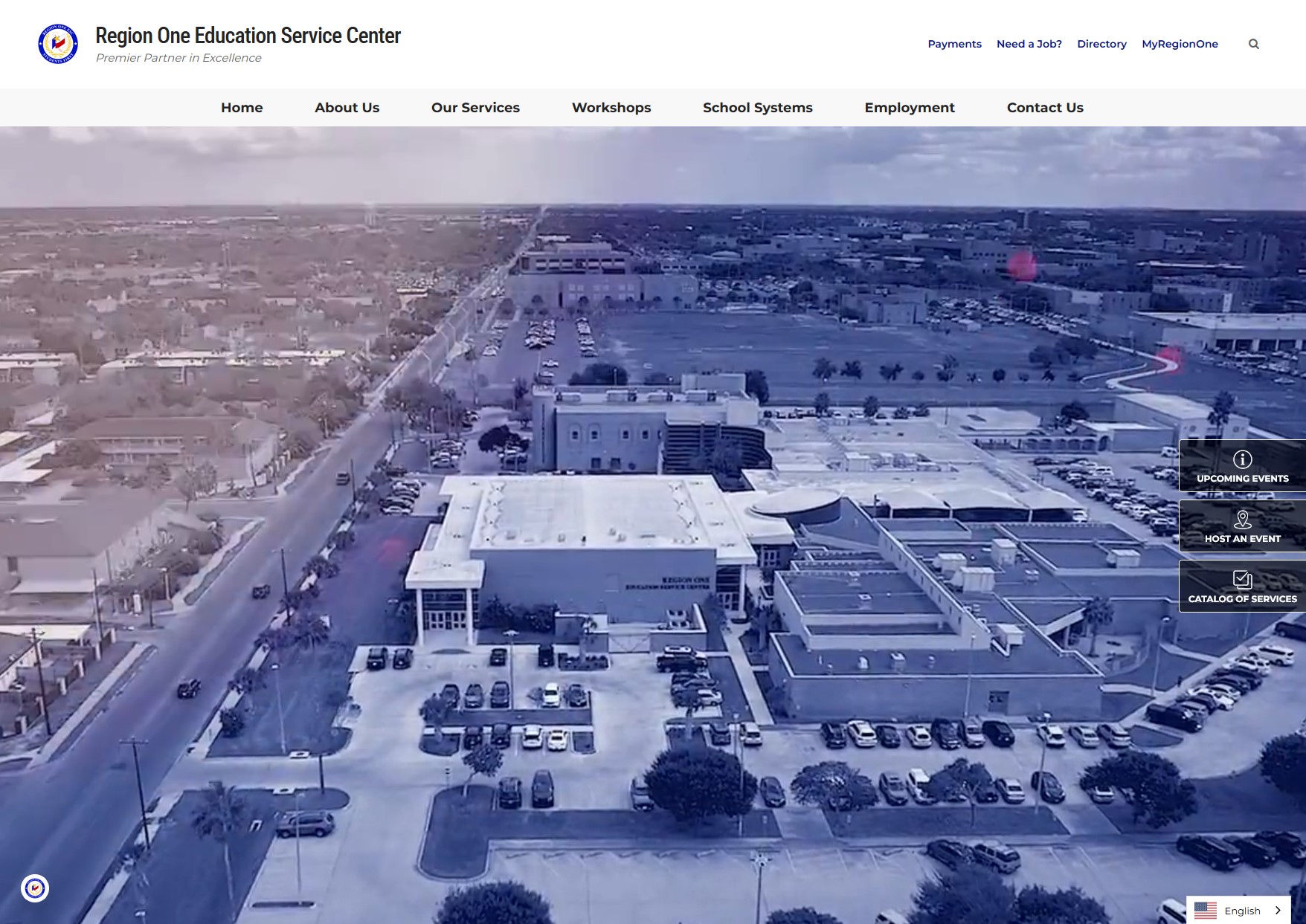
I led the migration of Region One Education Service Center’s public website from Blackboard CMS to Finalsite. The project involved more than moving content between platforms. It meant reconsidering how a large, service-focused organization presented information to educators, school administrators, families, employees, and community members.
Region One template selection landing page

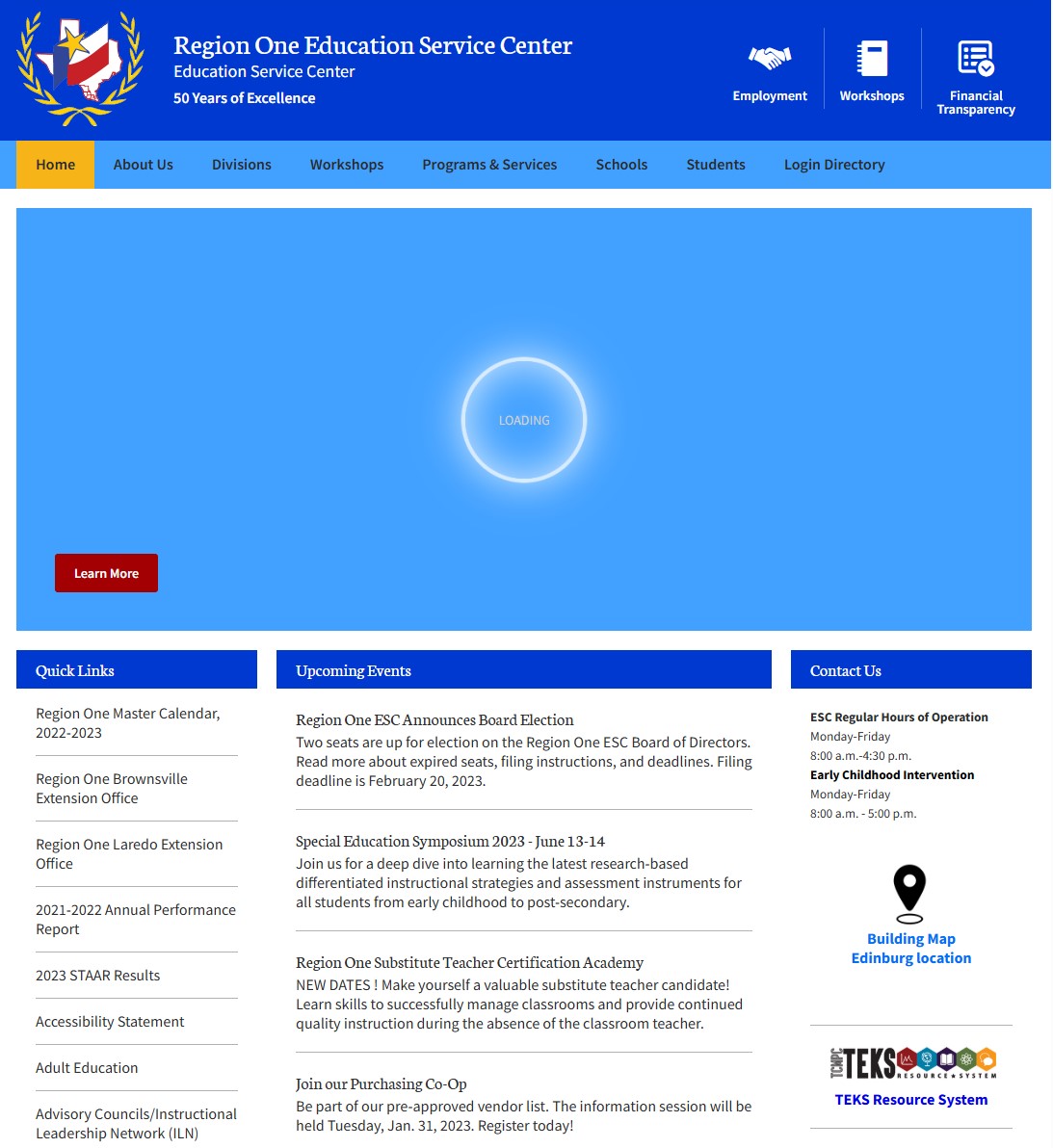
Snapshot of what the website looked like from 2006-2023

The previous site contained years of content spread across a complex organizational structure. Aesthetically it was still using it's primary css styling from 2006, Its navigation was dense, page layouts were inconsistent, and some important services were difficult to find. I worked to preserve the institution’s essential content while creating a more consistent, accessible, and maintainable website. My work included auditing and organizing existing content, rebuilding the site architecture, migrating pages and digital resources, and developing reusable page patterns in Finalsite. I also addressed redirects, navigation changes, accessibility, responsive behavior, and quality assurance across devices and browsers. The redesigned site groups services around the needs of its audiences, creates a clearer visual hierarchy, and gives departments a more sustainable framework for managing content. It provides a clearer picture of Region One ESC’s work while making information easier to find and maintain.
Branded Event Website Templates

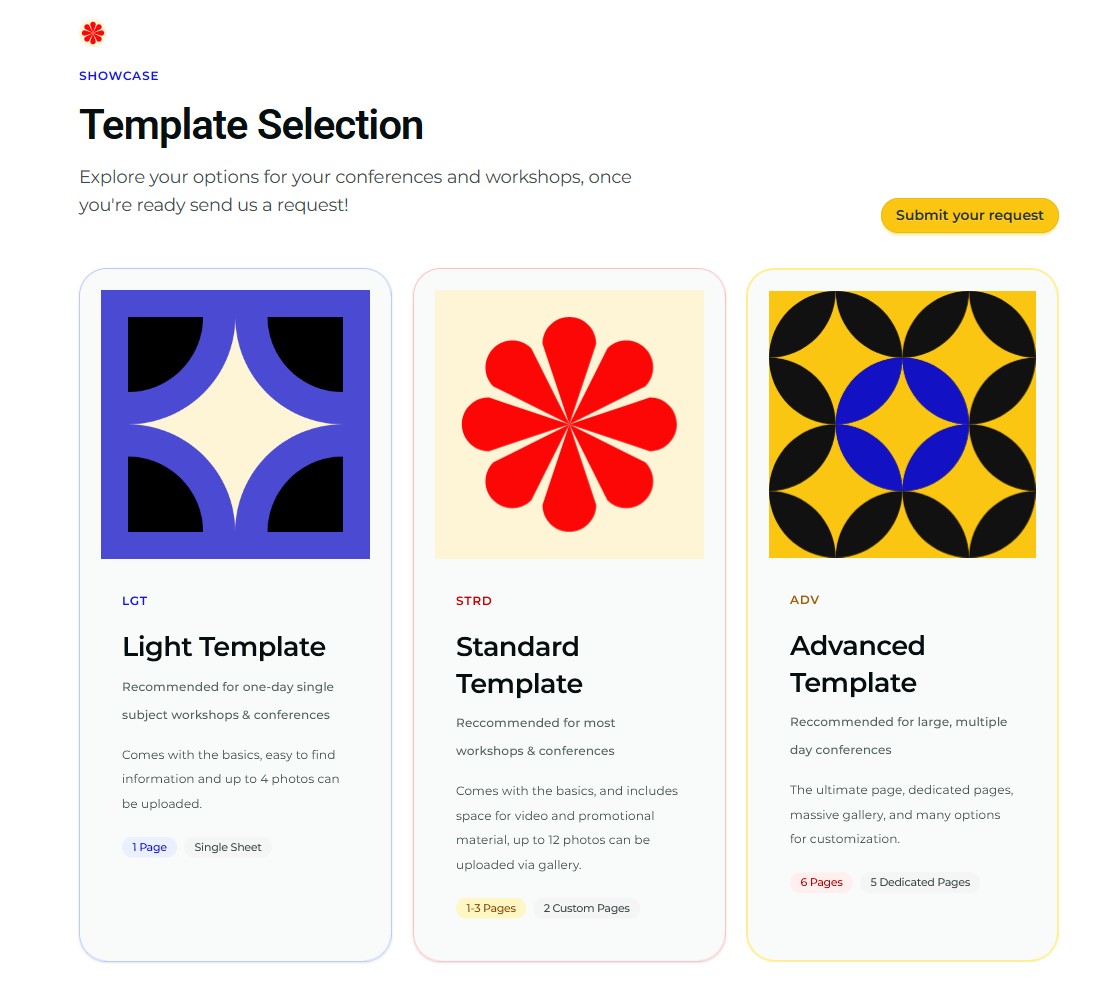
Region One template selection landing page

Working with the marketing team, I helped develop Region One ESC’s branding guidelines so staff could use the organization’s colors, typography, and logos consistently. I then translated those guidelines into reusable web templates for workshops, conferences, and other events.

Departments had often created their own Google Sites without centralized branding or technical guidance. This made it possible to launch sites quickly, but it also led to inconsistent designs, duplicated work, difficult updates, and websites created outside the organization’s established processes. Ownership and long-term access were also concerns. We saw the problem firsthand when a department hired an outside contractor to build a website for its conferences and services. When we later tried to retrieve the website and its related materials, the contractor could no longer access the account after relocating and losing the login credentials. Because the department had not secured full ownership, we had no practical way to recover or manage the site.

The experience made it clear that event websites needed consistent branding, clear ownership, dependable access, and a sustainable maintenance process.

The Solution

Staff could start with an approved structure and customize it for their event instead of building a site from scratch or managing an independent website.

The Outcome

The template system reduced the number of unapproved or inconsistently branded Google Sites created across the organization to effectively zero. It also shortened production time, simplified updates, and gave staff a clearer process for requesting and managing event websites. It also helped establish organizational ownership of event websites and their content, reducing the risk of losing access to important digital assets.

Texas Incentive Allotment Hub

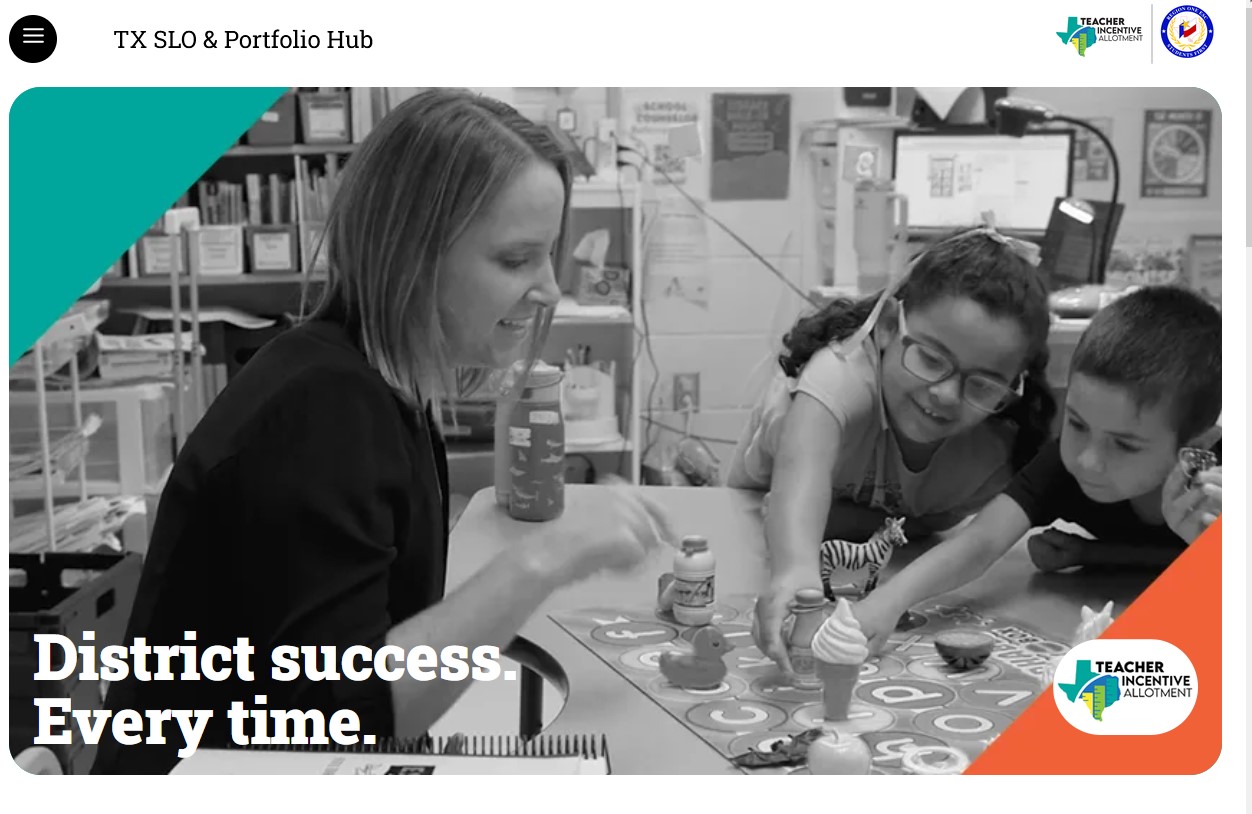
Texas Teacher Incentive Allotment Hub landing page

A custom website created as a centralized hub for information and resources related to one of Texas’s statewide teacher incentive programs. The program had its own branding requirements, so the site needed to follow a distinct visual identity while still fitting within our organization’s broader web standards.

The project also reflected an important lesson from earlier work: our team needed to maintain ownership of the site and its infrastructure. We built the website within our existing CMS ecosystem, giving us greater control over its content, access, and ongoing maintenance.

The Possable Dream

TPD Homepage

Building The PossAble Dream’s Online Presence

The PossAble Dream was a Region One ESC initiative for adults ages 18 to 50 who faced barriers to completing their high school graduation requirements. The program offered a path to a high school diploma while also giving students opportunities to earn post secondary career certifications. As a new initiative, the program needed a website that could introduce its purpose, build credibility, and explain how prospective students could get involved.

My Role

I led the development of The PossAble Dream’s initial online presence from concept through launch. My work included helping define the visual direction, selecting the color palette, planning the website layout, and developing the sitemap and content structure. I worked with program stakeholders to understand what prospective students needed to know and turned complex program information into a clearer, more approachable experience.

The website had to explain who the program served, what students could earn, and what steps they could take next without overwhelming them.

Building the Experience

I organized the site around the questions a prospective student would likely have:

  • Am I eligible?
  • What credentials can I earn?
  • How does the program work?
  • What support is available?
  • How do I apply or request more information?

Those questions shaped the navigation, page hierarchy, calls to action, and overall presentation. I also developed a visual system that gave The PossAble Dream a distinct identity. Consistent colors, typography, imagery, and page layouts helped the new initiative feel cohesive and credible from the beginning.

Launch & Handoff

After launch, I transitioned day-to-day management of the website to the program’s staff. The site structure and reusable page patterns were designed to make routine updates manageable without requiring the team to rebuild layouts or rely on a developer for every change. The finished site gave The PossAble Dream a clear public identity, an accessible way to share essential program information, and a maintainable foundation that staff could continue developing as the program evolved.